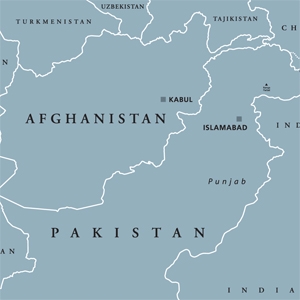
Tobacconomics Research World Tour: First stop—Pakistan
During the month of April, we’ll be taking a world tour of recent research in Pakistan; Indonesia; Romania; Chile; and Bangladesh—all delivered by Tobacconomics think tank partners. In last month’s series, we explored our approach to think tank capacity building through a series of blogs. This month, we’ll be sharing the proof of... Read More about Tobacconomics Research World Tour: First stop—PakistanThe Tobacconomics Approach to Think Tank Capacity Building: Current Research from the First Year and the Way Forward, & Future Research
Over the past three weeks, we have taken to our blog to reflect on our first two years of the think tank capacity building project, “Accelerating Progress on Tobacco Taxes in Low- and Middle-Income Countries.” In this series, we have defined our purpose and direction for think tank capacity building. A few questions we initially aske... Read More about The Tobacconomics Approach to Think Tank Capacity Building: Current Research from the First Year and the Way Forward, & Future ResearchThe Tobacconomics Approach to Think Tank Capacity Building: Our Research Process
If you are a new reader to this series, we have already released the first two blogs: the ‘what’ and ‘why’, and the ‘who’, ‘where’, and ‘how’ on our approach to think tank capacity building. We discussed our reasoning for capacity building in the first place, what capacities we sought to build, and our scoping process... Read More about The Tobacconomics Approach to Think Tank Capacity Building: Our Research ProcessThe Tobacconomics Approach to Think Tank Capacity-Building: The ‘Who,’ ‘Where,’ and ‘How’
Last week, we released the first blog in this series about Tobacconomics’ approach to think tank capacity-building describing the “why” and the “what.” This week, we will be discussing our scoping process, and how we found the right partners. In other words, the “who” “where” and “how.” But first, a bit more about... Read More about The Tobacconomics Approach to Think Tank Capacity-Building: The ‘Who,’ ‘Where,’ and ‘How’